Source Sic Paddle for Ocean Waters, Water Sports, and SUP
Compare 30 sic paddle options from verified Chinese manufacturers. Buyers can evaluate materials like silicon carbide and carbon fiber, sizes, and customization features for ocean waters and water sports applications; compare the available evidence and request quotations based on your requirements.
Key considerations
Products List


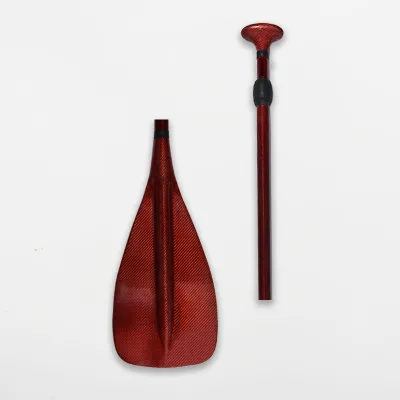

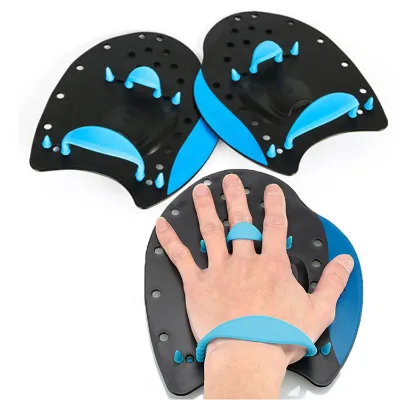




Comprehensive Sourcing Guide
Sic Paddle Sourcing Guide
Sourcing a high-performance paddle requires careful evaluation of material composition, structural integrity, and intended use case. The market offers diverse options ranging from entry-level composite models to professional-grade carbon fiber constructions. Buyers must distinguish between general water sports accessories and specialized equipment designed for specific disciplines such as stand-up paddleboarding or ocean racing. Understanding these distinctions is critical for aligning procurement with operational goals and user skill levels.
This guide focuses on verifying technical attributes and commercial terms to mitigate procurement risk. It addresses key decision points including material selection, dimensional accuracy, and supplier verification. By adhering to evidence-based sourcing practices, buyers can ensure that purchased paddles meet durability standards and performance expectations. The following sections provide a structured approach to evaluating listings, confirming specifications, and establishing reliable supply chains for paddle equipment.
Product Scope and Observed Listing Signals
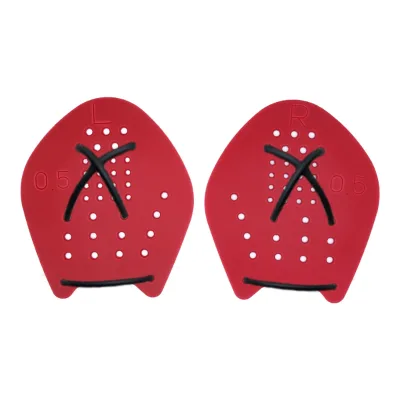
Market listings for paddles reveal a wide spectrum of product types, including hand paddles, surf SUP paddles, and general water sports accessories. Observed data indicates that products are categorized by their intended user, such as men or unisex models, and their applicable occasion, ranging from ocean waters to general recreational use. Buyers should note that some listings describe items as accessories rather than primary propulsion tools, which significantly impacts their functional utility and expected durability in demanding environments.
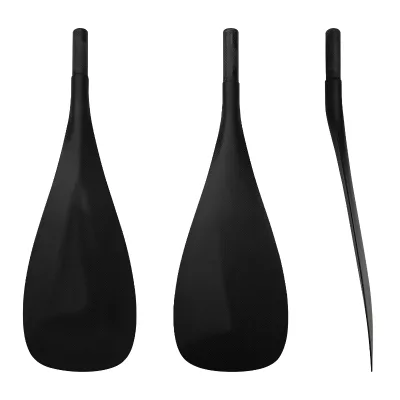
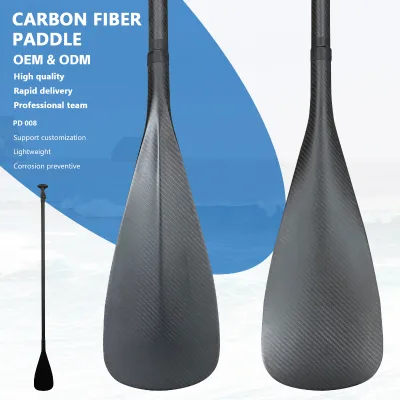
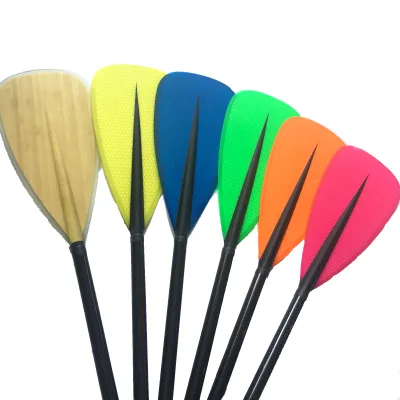
The observed product range includes variations in shape, such as pipe-shaped components, and specific model numbers like H002, PDL 004, and PD 008. Color options vary from standard yellow, red, and green to black or as-photo representations, allowing for brand customization. It is essential to verify whether a listed item is a complete paddle or a component part, as some descriptions may refer to shafts or blades separately. Clear identification of the product’s primary function prevents misalignment between procurement orders and operational requirements.
Technical Specifications to Verify
Material composition is a primary determinant of paddle performance and longevity. Listings indicate the use of materials such as polypropylene (PP), silicon carbide (SiC), and carbon fiber, each offering distinct advantages in terms of weight, stiffness, and cost. Silicon carbide components may be used for specific high-wear applications, while carbon fiber shafts are preferred for lightweight, high-strength requirements in professional settings. Buyers must confirm the exact material composition of both the shaft and blade to ensure compatibility with the intended water sport and user strength.
Dimensional accuracy and structural design are equally critical for optimal performance. Specifications such as length ranges from 170-220cm, blade sizes like 490X195mm, and rocker types like continuous or fixed angles directly influence paddling efficiency. The blade angle, observed at approximately 10.9 to 11 degrees, affects the catch phase and power transfer. Buyers should verify single package dimensions and gross weight to plan for logistics and storage, ensuring that the physical attributes of the paddle match the ergonomic needs of the end-user.
Compliance and Safety Documentation
Safety and regulatory compliance are fundamental for water sports equipment, particularly when used in professional or competitive environments. Buyers should request documentation that verifies the structural integrity of the paddle under stress, including tests for tensile strength and impact resistance. While specific certification standards may vary by region, it is crucial to ensure that materials used, such as carbon fiber or silicon carbide, do not pose health risks or environmental hazards during manufacturing and disposal.
Warranty terms provide an additional layer of protection and indicate supplier confidence in product quality. Observed listings include a one-year warranty, which should be clearly defined in the purchase agreement to cover defects in materials and workmanship. Buyers must verify the scope of this warranty, including whether it covers normal wear and tear or only manufacturing faults. Clear warranty policies help mitigate financial risk and ensure that defective products can be replaced or repaired without significant downtime or additional cost.
Cost Drivers and Commercial Terms
Pricing for paddles is influenced by material quality, manufacturing complexity, and order volume. Observed price ranges vary significantly, reflecting differences between basic polypropylene models and premium carbon fiber constructions. Buyers should analyze the cost per unit in relation to the specified material and performance features, avoiding assumptions that lower prices equate to better value without considering durability and lifespan. Customization options, such as logo printing or color selection, may also impact the final unit cost and should be factored into the total procurement budget.
Minimum Order Quantities (MOQ) and packaging requirements are key commercial terms that affect supply chain efficiency. Listings indicate MOQs ranging from single items to thousands of pairs, with packaging options including plywood cases for bulk shipments. Buyers must align their order quantities with inventory needs and storage capacity, considering that larger orders may offer better unit pricing but require greater capital outlay. Understanding these terms helps in negotiating favorable conditions and ensuring a steady supply of paddles to meet market demand.
Supplier Qualification and Quality Control
Supplier location and manufacturing capability are important indicators of product consistency and reliability. Observed listings show origins in Guangdong and Zhejiang provinces in China, regions known for their manufacturing expertise in sports equipment. Buyers should verify the supplier’s production capacity and quality control processes to ensure that each paddle meets the specified technical standards. Consistency in dimensions, material composition, and finish is critical, especially for bulk orders where variations can lead to performance issues for end-users.
Customization capabilities and brand alignment are also key factors in supplier selection. Many suppliers offer customized logos and colors, allowing buyers to maintain brand identity across their product lines. However, buyers must ensure that the customization process does not compromise the structural integrity of the paddle. Quality control checks should include visual inspections for defects and functional tests to verify the paddle’s balance and durability. Establishing a strong relationship with a qualified supplier ensures long-term access to high-quality products.
Long-Term Procurement Checks
Continuous monitoring of supplier performance and product quality is essential for maintaining a reliable supply chain. Buyers should establish regular review cycles to assess the consistency of paddle specifications, warranty claims, and delivery times. Tracking these metrics helps identify potential issues early, allowing for corrective actions before they impact operations. Building a history of performance data enables buyers to make informed decisions about supplier relationships and negotiate better terms based on proven reliability.
Market trends and technological advancements in paddle design should also be considered for future procurement strategies. As materials and manufacturing techniques evolve, new products may offer improved performance or cost efficiencies. Buyers should stay informed about industry developments and regularly update their sourcing criteria to remain competitive. By maintaining a proactive approach to procurement, buyers can ensure that their paddle inventory meets the evolving needs of their customers and supports long-term business growth.
FAQs
What materials are used for sic paddle construction?
Sic paddles are primarily constructed using Silicon Carbide (SiC) for the blade to ensure extreme hardness and durability. Some models also incorporate carbon fiber for the shaft to reduce weight while maintaining structural integrity. This combination provides a robust tool suitable for professional practice in ocean waters, balancing strength with performance requirements for various water sports applications.
Can I customize the logo on these paddles?
Yes, customization is available for both hand paddles and full-size paddles. Suppliers accept customized logos, allowing buyers to brand the products for specific markets or corporate events. This service applies to items made from materials like PP or Silicon Carbide, ensuring that your branding is prominently displayed on the final product while maintaining the standard base type and professional quality.
What is the typical MOQ for ordering paddles?
The typical Minimum Order Quantity for these paddles is 1000 pairs. This threshold applies to standard items like the hand paddle made from PP. For other models, such as the carbon fiber paddle, MOQs may vary, but buyers should generally prepare for bulk orders. This structure supports efficient manufacturing and shipping processes from origins in Guangdong or Zhejiang, China.
Which sizes are available for the paddle models?
Available sizes include Universal Size for hand paddles and specific dimensions like 490x195mm or 81 inches for full paddles. Size ranges often cover S, M, and L options to fit different user needs. The single package size for smaller items is approximately 18x21x2 cm, while larger paddles are packed in plywood cases to protect the carbon shaft and blade during transit.
Where are these paddles manufactured?
These paddles are manufactured in China, specifically in regions like Guangdong and Weifang. Some carbon fiber models originate from Zhejiang. These locations are known for their robust manufacturing capabilities in water sports equipment. Buyers can expect products to be shipped from these origins, with packaging designed to protect items like the Silicon Carbide blade or carbon shaft during international logistics.
What is the warranty period for carbon paddles?
The warranty period for carbon fiber paddles is typically 1 year. This coverage applies to models like the JFS brand paddle, ensuring durability against defects. The warranty supports the professional use of these items in water sports. Buyers should retain proof of purchase to claim this warranty, which complements the durable feature of the carbon shaft and Silicon Carbide blade construction.